A storytelling course for creatorsFrom Pictureto Story

By Vadim Sotnikov, prime-time TV series writer and creative producer

Learn to make more than beautiful videos: stories the industry actually wants

Vadim Sotnikov, screenwriter and creative producer, author of the course

Course author

Vadim Sotnikov

Screenwriter and creative producer. 15 years in the writers’ rooms of prime-time series

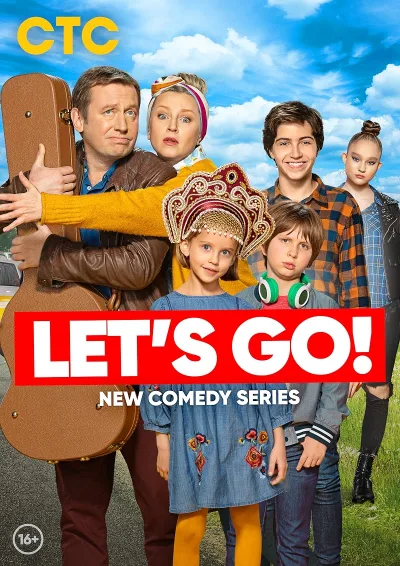
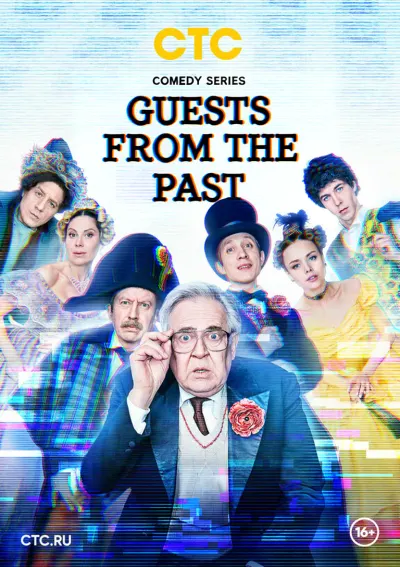
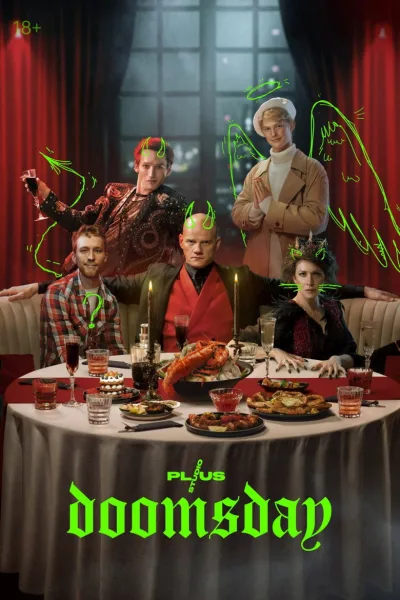
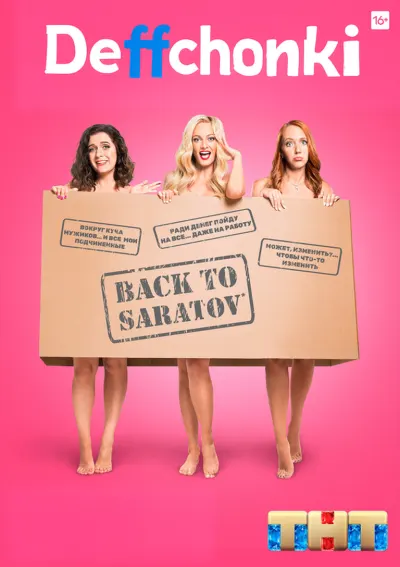
Doomsday · Let’s Go! · Guests from the Past · Deffchonki

First lesson free →
02 · Who it’s forExt. Your story

This is for you if you’re

Shot 01

An AI creator

You want to take your generations to a professional level and work on big projects. The industry pays for stories built on the rules of dramaturgy

Shot 02

An aspiring screenwriter

You have ideas, but your characters don’t come alive and the plot won’t come together

Shot 03

A director

You create content with confidence but want the storytelling foundation the industry runs on

03 · MethodA working skill

What you geta working skill

01

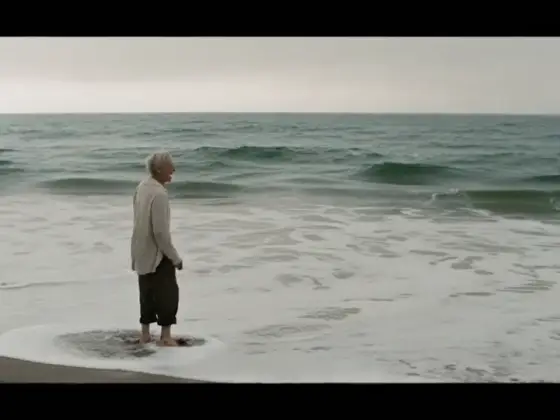
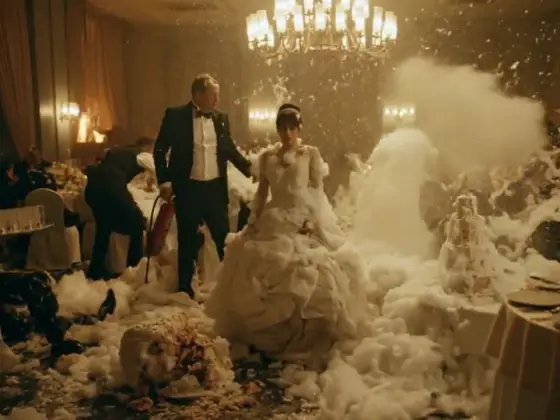
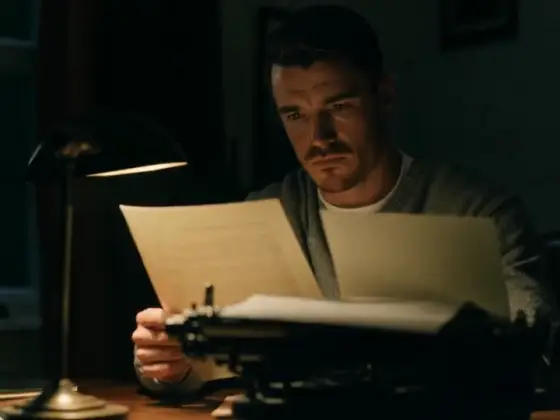
Build a story from a single picture

You’ll learn to come up with a story from one image, even when it feels like there’s nothing to work with

02

See the “forces” in a frame

You’ll learn to look at a frame like an author: not “what’s in it” but which forces are fighting inside it. The hero wants something, circumstances get in the way, time is running out. A story is born from that collision

03

Tell a shot, a scene and a story apart

We teach you to see three levels: the shot, the scene, the story. In a scene the hero has a goal and an obstacle. In a story the hero makes a choice, pays the price and changes for good. That is what keeps the audience watching to the end

04

A logline for platforms and producers

By the end of the course you have a finished logline: your 8 answers come together in one working sentence. Use it to make plot decisions and to pitch to a platform or a producer

05

A foundation that won’t go out of date

These are the laws of dramaturgy, not tricks for a particular AI model: hero, desire, obstacle, stakes, choice, turning point. Tools change, the laws of storytelling stay. The course works like a cheat sheet: open the topic you need and check your story against it

04 · Program9 scenes

Nine lessons

Each lesson is one question for your story and one line of your worksheet. Tap to see what’s inside

Scene 01 · Lesson 1

Picture → scene → story

What’s inside
  • Meet Vadim Sotnikov and the course
  • The story formula
  • The screenwriter in the age of AI
  • Mood vs emotion
  • Atmospheric ≠ interesting
  • The myth of the author
  • What a force is
  • The author’s core chain
  • Picture → scene → story
  • The minimum to get started
  • Motion ≠ action
  • A logline is the story’s zip file

Practice: assignment
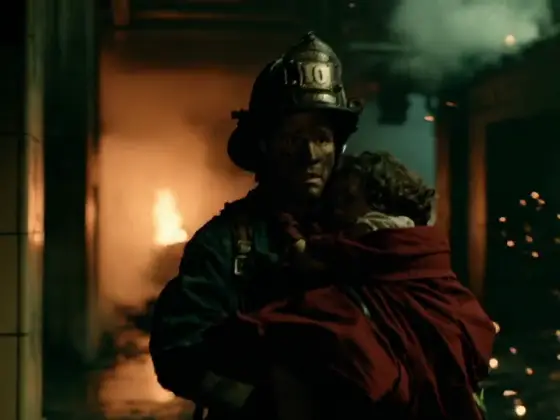
Scene 02 · Lesson 2

Hero: who will carry the story

What’s inside
  • Choosing the hero
  • What I notice first ≠ who my hero is
  • Object → character → hero
  • Fact ≠ event
  • One picture - three stories
  • Three heroes - three films
  • Four questions for a would-be hero
  • Picking the hero
  • The hero is not always the most visible one
  • What to take from the lesson

Practice: assignment

Scene 03 · Lesson 3

Want: motion turns into action

What’s inside
  • Want
  • An event changes the hero, a want changes the situation
  • Action aims at a result
  • Want → goal → action
  • A goal is the name of a change
  • Process vs result
  • Abstract want → visible goal
  • The hero’s line of action
  • One hero - three goals - three films
  • Option two: switch off the transmitter
  • Option three: get the proof
  • The “in order to” construction

Practice: assignment

Scene 04 · Lesson 4

Conflict: what stands in the hero’s way

What’s inside
  • Conflict
  • A goal alone does not create conflict
  • Conflict is not a quarrel
  • Will or necessity
  • Not every response of the world is conflict
  • Conflict is a chain, not a single deed
  • Turning the picture into conflict
  • One goal - different conflicts
  • Choosing the main opposing force

Practice: assignment

Scene 05 · Lesson 5

Stakes: why the audience cares

What’s inside
  • Stakes
  • What makes a goal matter
  • What a value is
  • How to find the value in a goal
  • The weight of a value
  • One goal - different values
  • Goal ≠ value
  • A value has to become visible
  • A deed proves the value
  • Other ways to show a value
  • What stakes are
  • Stakes are a mechanism of loss
  • Danger ≠ stakes
  • What he will lose ≠ what he risks
  • One goal - three versions of the stakes
  • Testing the working stakes
  • The story so far

Practice: assignment

Scene 06 · Lesson 6

Choice: when you can’t have it all

What’s inside
  • Choice
  • Why a story needs a choice
  • A choice is a trap for the hero
  • Value → carrier → action
  • The formula for building a choice
  • A strong choice is visible and unavoidable
  • The story is almost complete

Practice: assignment

Scene 07 · Lesson 7

Change: the hero will never be the same

What’s inside
  • Change is what a story is made for
  • A deed is bigger than an action
  • A deed is what we give up
  • Result ≠ change
  • What the author wanted to say
  • What changed, how and how much

Practice: assignment

Scene 08 · Lesson 8

Genre: what film you promise the audience

What’s inside
  • Genre
  • How to choose the ending
  • Genre is a way to organize a story
  • Different genres - different films
  • Genre helps bring back the right version
  • Which truth belongs to the film

Practice: assignment

Scene 09 · Lesson 9

Logline: packing the story into a zip file

What’s inside
  • Same picture, different view
  • The whole story
  • Freedom to choose your film
  • X-ray, zip file and canon
  • Two ways to write a script
  • Unpacking the zip file
  • Not every response of the world is a turn
  • One story - two loglines
  • A logline is not the end of the work

Practice: assignment

05 · Try itFirst lesson

The first lessonis free

  • Lesson 1. Picture → scene → story
  • Meet Vadim Sotnikov and the course
  • The story formula
  • The screenwriter in the age of AI
  • Mood vs emotion
  • Homework: in the course
06 · PricingCohort 1

Chooseyour path

Buy the course

Go through the course on your own, at your own pace, and build the logline for your story

Price without discount 19,990 ₽−15%

16,990 ₽

Installments available

  • +
    9 lessons
  • +
    3-year access
  • +
    Interactive assignments
  • +
    A logline for your own story
  • −Live sessions and answers from the author
  • −Cohort chat
Limited spots

Join the cohort

Take the course together with Vadim Sotnikov: interactive exercises in live sessions and breakdowns of assignments

Price without discount 39,990 ₽−15%

33,990 ₽

Installments available

  • +
    The full course: lessons and assignments
  • +
    5 live sessions with Vadim Sotnikov
    • ·Breakdowns based on work from the cohort
    • ·Interactive exercises
  • +
    Private cohort chat
  • +
    Full recordings of every session

Pay by MIR, Visa or Mastercard card, or via SBP. Access opens in your account right after payment and lasts 3 years · Payment, access and refunds

07 · FAQSupport

Frequentlyasked questions

If your question isn’t on the list, message us on Telegram and we’ll answer personally

Message us on Telegramor email support@moonk-academy.ru
I’ve never written a script. Will I manage?

The course is designed for people with no screenwriting experience: every concept is introduced from scratch and applied to your own work right away

I already know how to generate video. Is this for me?

The course was made exactly for you. You’ll learn to turn your generations into complete stories

How much time does it take?

Each video takes about 40–60 minutes including practice. Two videos a week plus a live session on Sundays (on the “With Vadim Sotnikov’s review” plan). Easy to combine with a job

How can I pay, and what happens right after payment?

By MIR, Visa or Mastercard card, or via SBP. Access opens in your account as soon as the payment is confirmed, and a receipt under Russian law 54-FZ is sent to your email. Details are on the “Payment, access and refunds” page

Can I get a refund?

Yes. If it’s not a fit, send a request to support: under the public offer we refund what you paid minus the sections already opened and actual costs, within 10 days and by the same method you paid with. And you can watch the first lesson for free: it opens after you sign up on the site and stays with you forever. Its assignment is already part of the course practice

Master the artof storytelling

You’ll get a fundamental understanding of how stories are built. Whatever you create, an animated film, a feature, an ad or a reel, the same laws of storytelling apply everywhere. Every story is built on them, and they never expire

Choose a plan